

Black Seed Oil Benefits: Everything You Need To Know

Published:
Written by Jordan Caulfield & reviewed by Paul Holmes.
Looking after your health doesn’t have to be complicated. While good nutrition, movement and sleep form the foundation of wellbeing, many people choose to support their bodies further with natural supplements.
One that continues to attract growing interest is black seed oil.
Used for centuries in traditional medicine, it is now increasingly supported by modern research, and black seed oil has earned its place in the spotlight. From digestive support to skin health, its potential benefits are wide-ranging and increasingly well understood.
In this guide, we’ll explore what black seed oil is, how it works in the body, what the science really says, and how it may fit into a modern supplement routine.
We’ll also explain how it compares to black cumin seed oil and how trusted brands like Naturecan make daily supplementation simple and consistent through capsule formats.
What Are Seed Oils?
Before looking at black seed oil specifically, it helps to understand what seed oils are and why they’re used for supplementation.
Seed oils are extracted from the seeds of plants and often contain concentrated levels of:
- Essential fatty acids
- Antioxidants
- Bioactive plant compounds
Some seed oils, such as sunflower or rapeseed oil, are mainly used for cooking.
Others, including flaxseed, pumpkin seed and black seed oil, are commonly taken as supplements due to ongoing research into their roles in supporting body functions.
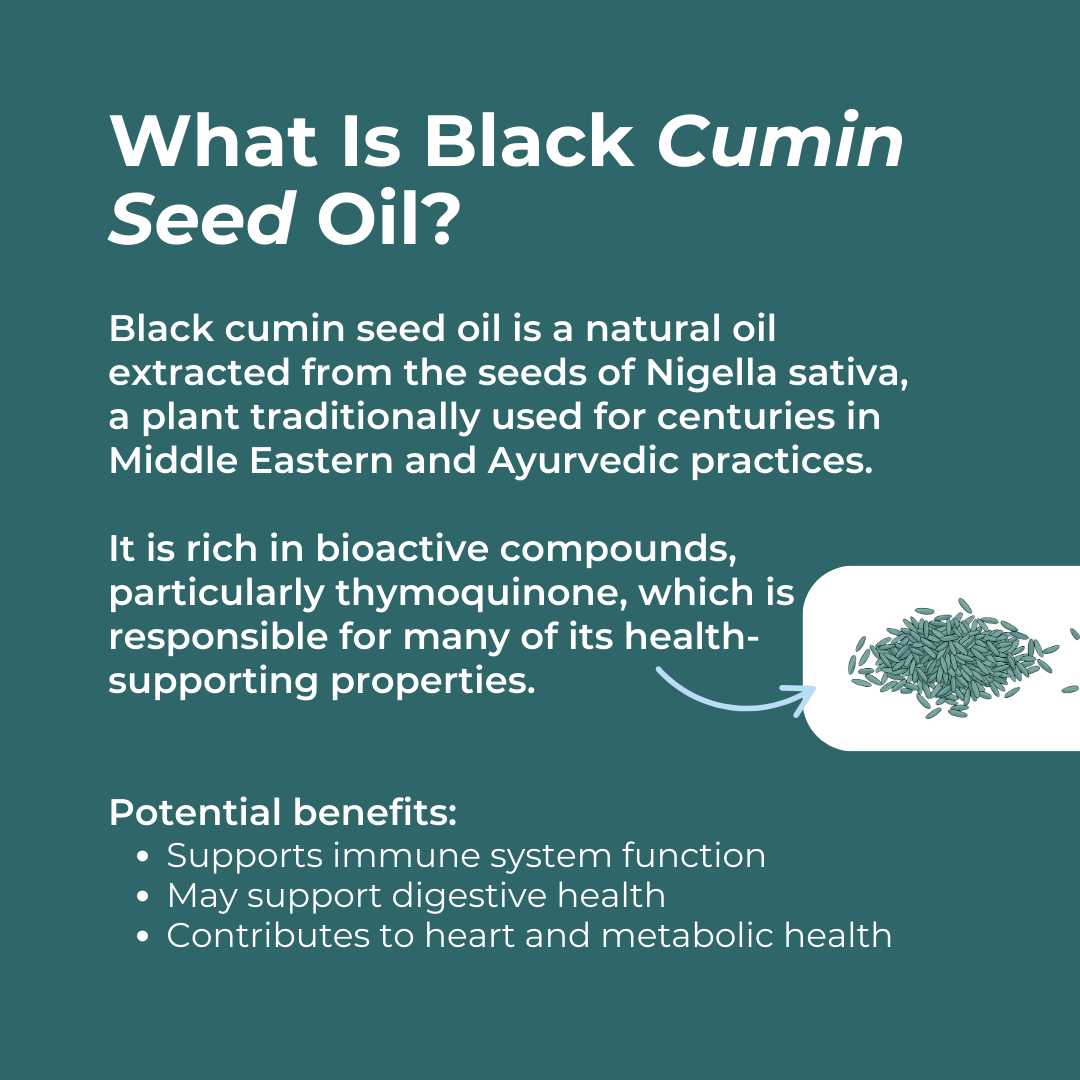
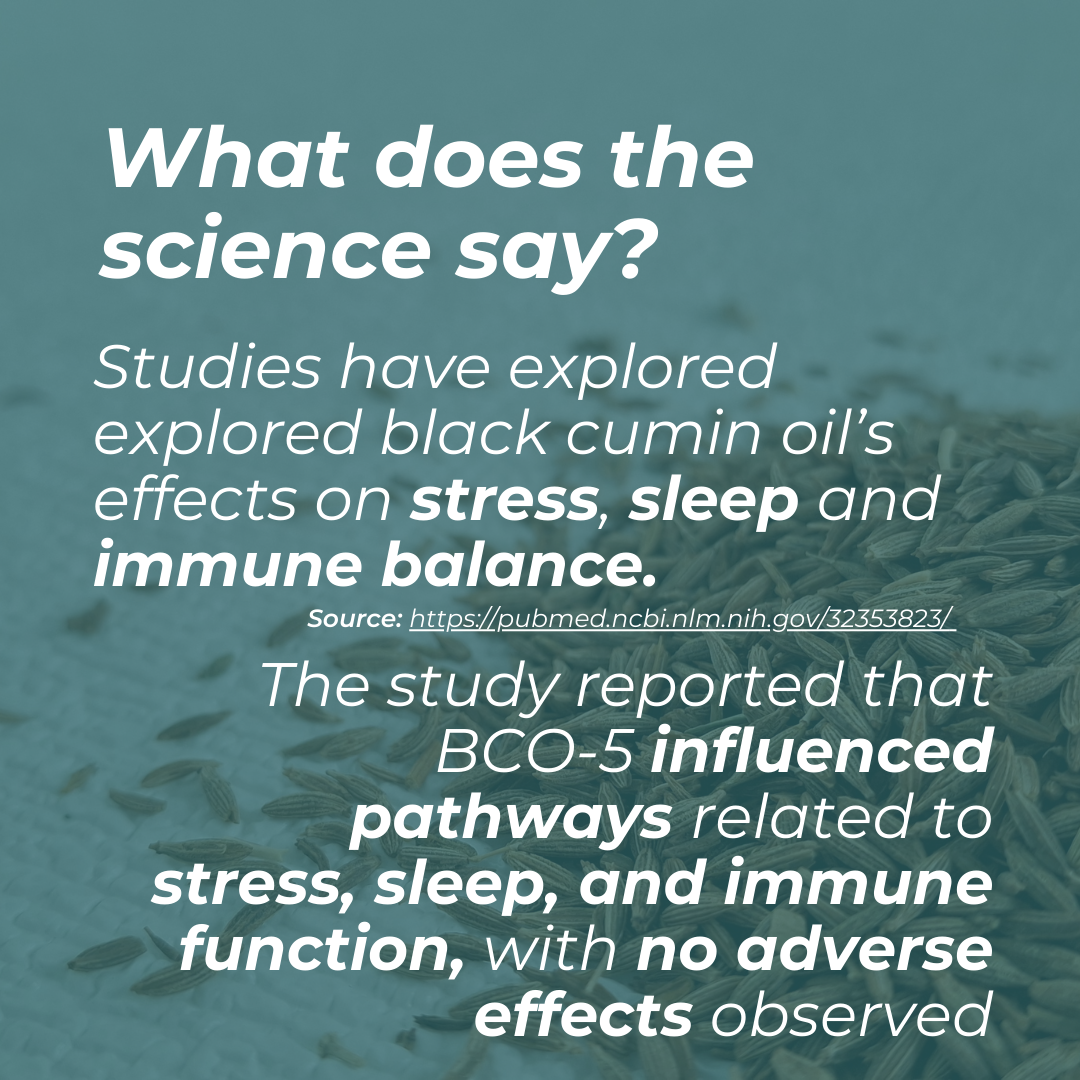
Among all seed oils, black seed oil is one of the most researched. What sets it apart is its unique active compound, thymoquinone, which has been the focus of numerous scientific studies exploring inflammation, oxidative stress and immune function.

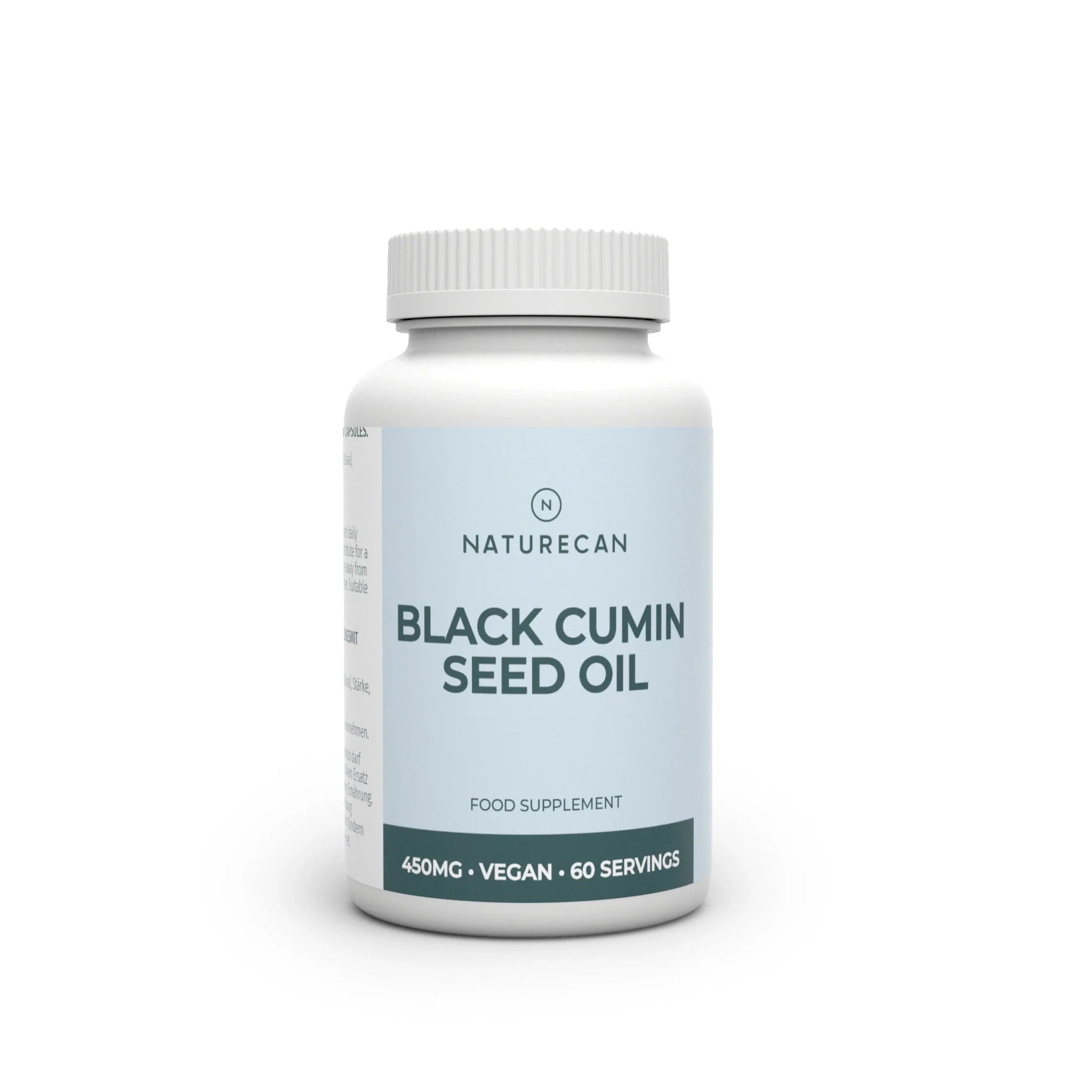
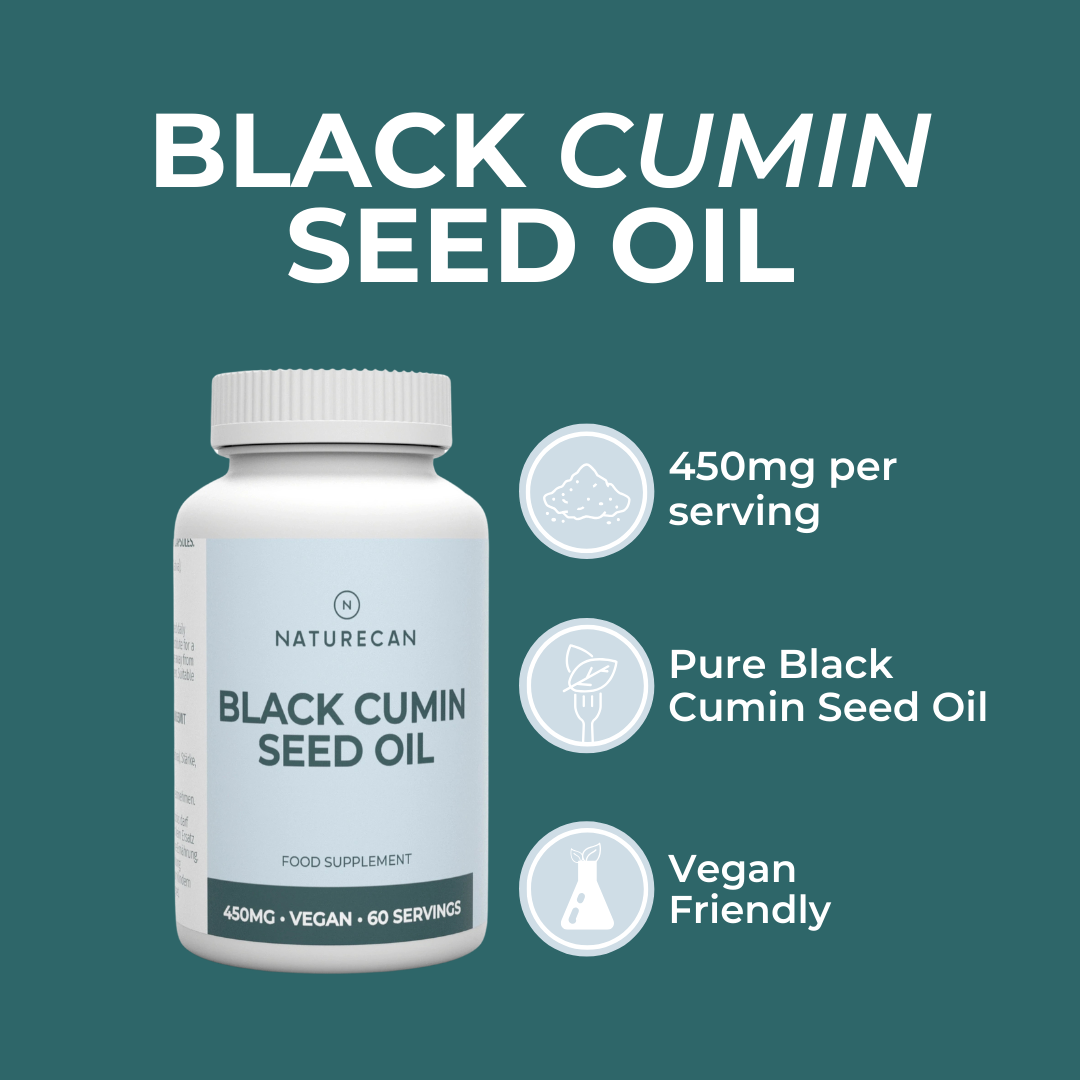
Naturecans Black Cumin Seed Oil
Black cumin oil, more generically known as black seed oil, is a natural supplement derived from the seeds of the Nigella sativa plant.
Valued for centuries across traditional wellness systems, black seed oil is now increasingly used as part of modern daily routines to help support wellness routines and overall wellbeing.
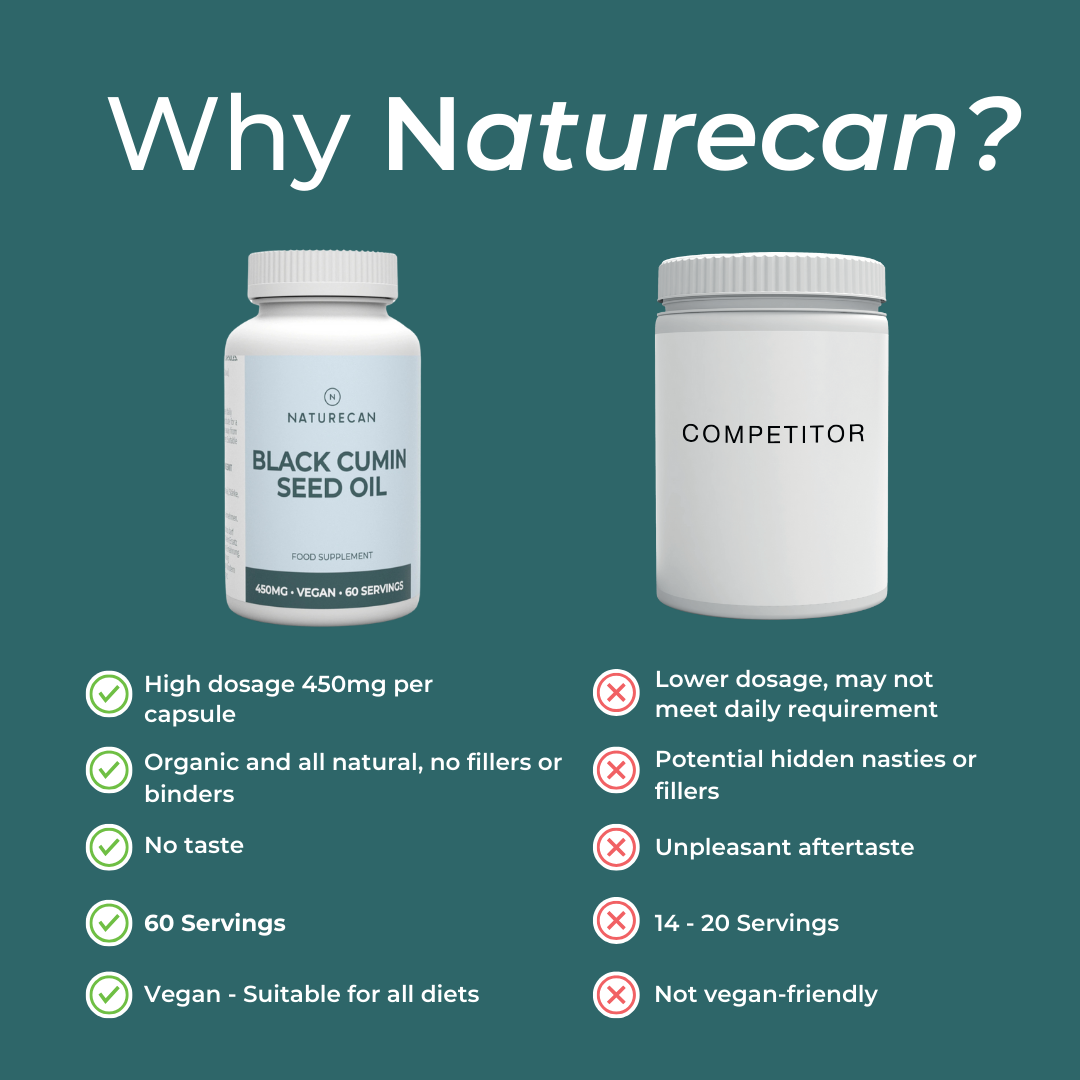
- May defend against oxidative stress
- Could support immune system function
- May help maintain respiratory health
- Natural antioxidant support
- 100% vegan-friendly formula
- Metabolic support, including potential benefits for blood glucose levels


What Is Black Seed Oil?
Black seed oil is extracted from the seeds of Nigella sativa, a flowering plant native to parts of South Asia, the Middle East and Eastern Europe.
You may also hear the seeds referred to as black seed, kalonji, or black cumin, though this naming can be confusing.
Traditionally, black seed oil was used to support digestion, breathing and overall vitality.
Today, research has focused on its antioxidant compounds and its role in maintaining normal physiological processes.
Black seed oil is commonly available in two forms:
- Liquid oil, often used topically for skin and hair
- Capsules, designed for internal use and daily wellness routines
Capsules are particularly popular because they provide a consistent dose without the strong, peppery taste of the oil.
At Naturecan, black cumin seed oil is offered in capsule form, making it easier to incorporate into a supplement stack.

Are Black Seed Oil And Black Cumin Oil The Same?
From a botanical perspective, they are different:
- Black seed oil comes from Nigella sativa
- True black cumin (Bunium bulbocastanum) is a separate plant, mainly used as a spice
However, in the supplement world, most products labelled as “black cumin seed oil” are actually derived from Nigella sativa.
As a result, black seed oil, black cumin seed oil, and kalonji oil are often used interchangeably.
While there are slight differences in origin and flavour, the potential health-related benefits discussed in research almost always relate to Nigella sativa, particularly its thymoquinone content.

5 Benefits Of Black Seed Oil
When people look into black seed oil benefits, they’re usually searching for natural ways to support everyday health.
Below are some of the most well-studied areas.
1. Anti-Inflammatory Support and Pain Relief
Inflammation plays a role in many chronic conditions, including arthritis, cardiovascular disease and metabolic disorders.
Black seed oil contains thymoquinone, which has demonstrated anti-inflammatory effects in both laboratory and human studies.
Research suggests black seed oil may help reduce inflammatory markers associated with joint pain and stiffness.
In conditions such as rheumatoid arthritis and osteoarthritis, it has been studied as a supportive supplement alongside standard medical care, not as a replacement. [1]
2. Immune System Support
Black seed oil appears to influence immune cell activity, helping regulate immune responses rather than simply stimulating them. [2]
This is particularly relevant for people dealing with allergies or frequent immune challenges.
3. Digestive Health
Black seed oil has traditionally been used to support digestion, and as modern research develops, there is more literature that supports this use.
It has also been explored in people with functional digestive issues, although more large-scale clinical trials are still needed. [3]
4. Respiratory Health
Black seed oil is one of the more researched natural supplements for respiratory support.
Studies involving individuals with asthma and allergic rhinitis have shown improvements in breathing comfort and reduced airway inflammation when used consistently. [4]
5. Skin and Hair Health
Applied topically, black seed oil may help soothe inflammatory skin conditions such as eczema, acne and psoriasis.
When taken internally, its antioxidant effects may also support hair health by reducing oxidative stress at the scalp.
There are also a lot of questions around black seed oil benefits for hair, there is no certain answer.
However, research is still ongoing, though its positive benefits around skin conditions and inflammation could potentially support this theory.
4 Black Cumin Seed Oil Benefits
Although black cumin seed oil and black seed oil are sometimes discussed separately, their benefits largely overlap due to their shared use of Nigella sativa in supplementation.
1. Antioxidant Protection
Thymoquinone helps neutralise free radicals, supporting cellular health and potentially contributing to long-term wellbeing and longevity.
Thymoquinone is a natural compound found in black seed (Nigella sativa), and one of the main reasons it’s valued is because of how it helps protect the body at a very basic level.
Every day, your body produces something called free radicals, it happens when you breathe, exercise, digest food, or deal with stress.
Things like pollution, sunlight, and poor diet can increase them too. The problem is that free radicals are unstable and can damage your cells over time, a bit like how rust slowly wears down metal.
This is where thymoquinone comes in. It works as an antioxidant, meaning it helps calm and neutralise these harmful molecules before they cause damage.
By doing this, it helps reduce everyday “wear and tear” on your cells.
Healthy cells matter because they’re the foundation of everything your body does — from energy levels to immune support and how well your body repairs itself. By helping protect cells, thymoquinone supports overall wellbeing and may play a role in healthier ageing over the long term.
Put simply, thymoquinone helps your body look after itself from the inside out, supporting cellular health today while helping lay the groundwork for long-term health and vitality.

2. Blood Sugar and Cholesterol Support
Several clinical studies suggest black cumin seed oil may help maintain healthy blood glucose and cholesterol levels.
This has been explored in people with type 2 diabetes and metabolic syndrome, although that has always been alongside prescribed medical care. [5]
3. Weight Management Support
While not a weight-loss supplement, black cumin seed oil may support metabolic balance.
Some studies show modest reductions in body weight and waist circumference when combined with a balanced diet and lifestyle.

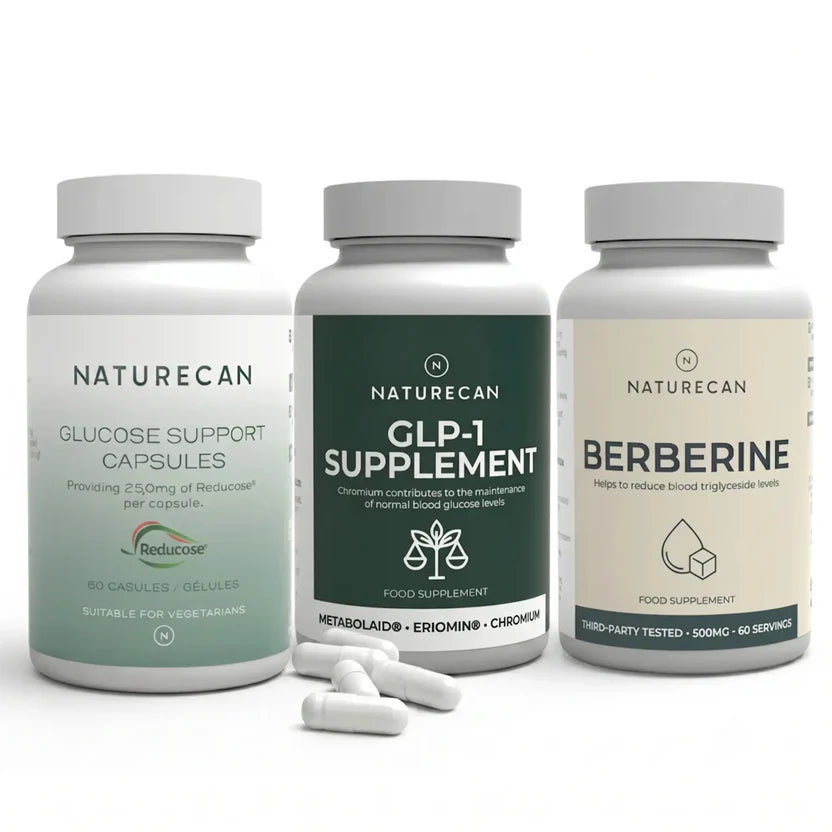
GLP-1 Bundle
Discover Naturecan’s GLP-1 Supplements Bundle, expertly designed to support your overall health and wellness goals.
This carefully selected bundle of natural supplements works to aid appetite regulation, promote balanced blood sugar levels, and support weight management, helping you support overall vitality.
With premium plant-based ingredients, this bundle offers a natural, effective way to manage your daily wellness routine.
Potential Benefits:
- Supports weight management and metabolic health
- Includes products with high bioavailability
- Berberine, Reducose, Omega 3 and Digest Gummies Included
- Suitable for vegetarians/vegans
4. Allergy and Inflammatory Conditions
Black cumin seeds ability to modulate immune responses may potentially help reduce symptoms associated with allergies and chronic inflammatory conditions.
Despite coming from different plants botanically, black seed oil and black cumin seed oil offer very similar wellness-supporting properties.
Black Seed Oil vs Black Cumin Seed Oil
| Aspect | Black Seed Oil | Black Cumin Seed Oil |
|---|---|---|
| Source | Extracted from the seeds of Nigella sativa | Also extracted from Nigella sativa seeds |
| Key Active Compound | Thymoquinone | Thymoquinone |
| Primary Focus | Everyday wellness support, immune and respiratory health | Cellular protection, metabolic health, and long-term wellbeing |
| Anti-Inflammatory Support | Studied for reducing inflammation linked to joint pain, stiffness, arthritis, and chronic conditions | Helps modulate immune responses, potentially supporting allergy and inflammatory conditions |
| Pain & Joint Support | May help ease joint discomfort when used alongside medical care | Indirect support through immune regulation |
| Immune System Support | Helps regulate immune responses, which may benefit those with allergies or frequent immune challenges | Supports immune balance, especially in allergic and inflammatory conditions |
| Digestive Health | Traditionally used to support digestion; emerging research supports this use | May also support digestive health |
| Respiratory Health | Well-researched for asthma and allergic rhinitis; may improve breathing comfort and reduce airway inflammation | May support respiratory health indirectly through immune pathways |
| Skin & Hair Health | May help soothe eczema, acne, and psoriasis; antioxidant effects may also support scalp and hair health | Antioxidant protection may indirectly support skin health at a cellular level |
| Antioxidant Protection | Present, though not the main focus | Strong emphasis on antioxidant activity that protects cells from everyday damage |
| Blood Sugar & Cholesterol | Not enough research to support this claim | Studied for supporting healthy blood glucose and cholesterol levels alongside medical care |
| Weight Management | Not positioned as a weight-loss aid | May support metabolic balance and modest improvements when paired with a healthy lifestyle |
| Long-Term Wellbeing | Supports daily health and specific systems (joints, digestion, lungs, skin) | Emphasised for cellular health, healthy ageing, and longevity support |
What The Science Says
Potential Side Effects Of Black Seed Oil
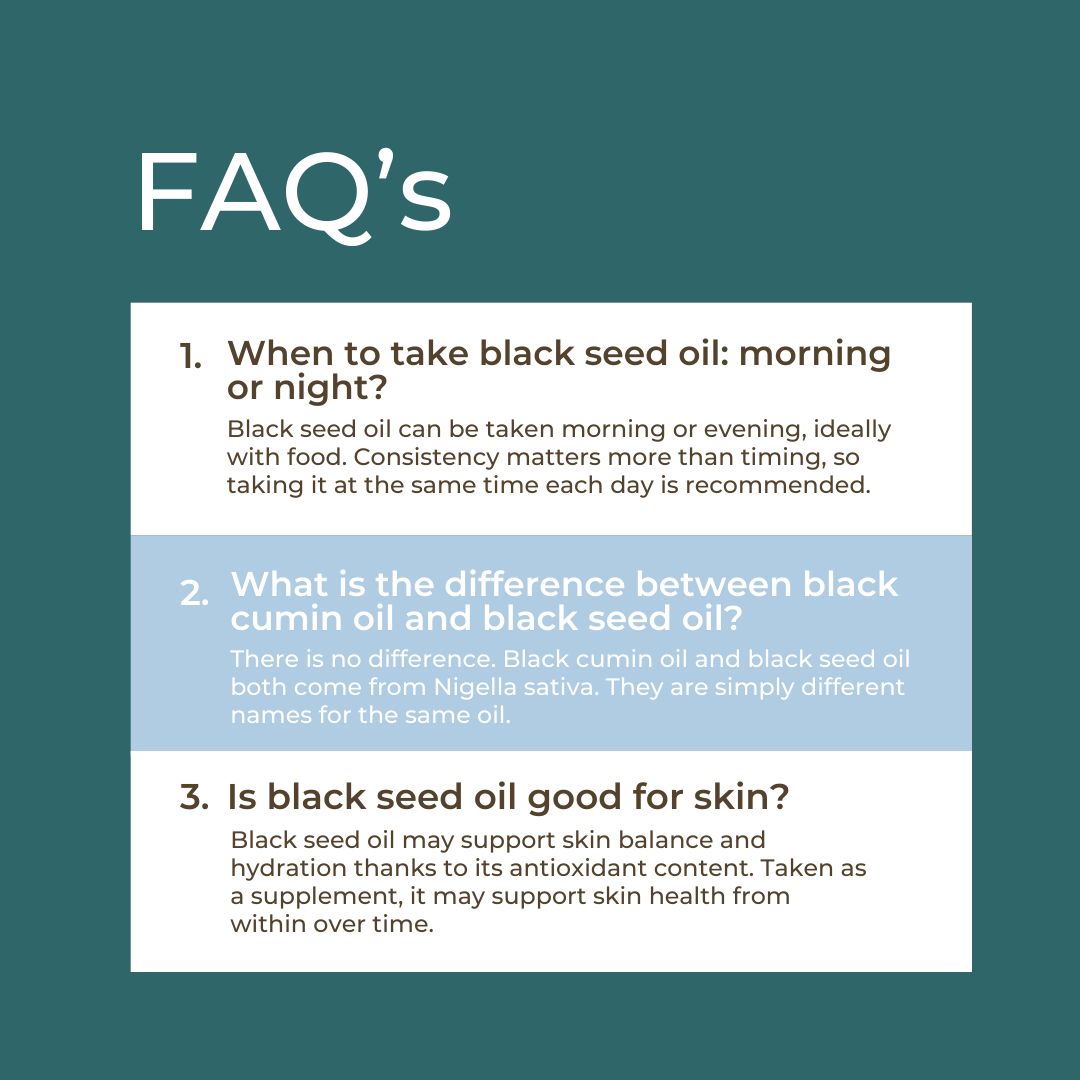
Black seed oil is generally well tolerated by adults when taken at recommended doses.
Some people may experience mild side effects, particularly when first starting supplementation.
These may include:
These effects are usually temporary and often resolve with continued use.
Anyone who is pregnant, breastfeeding or managing a chronic condition should speak with a healthcare professional before supplementing.

How To Take Black Seed Oil
Black cumin oil is commonly taken in:
- Capsule form for daily wellness support
- Liquid oil for topical use on skin and hair
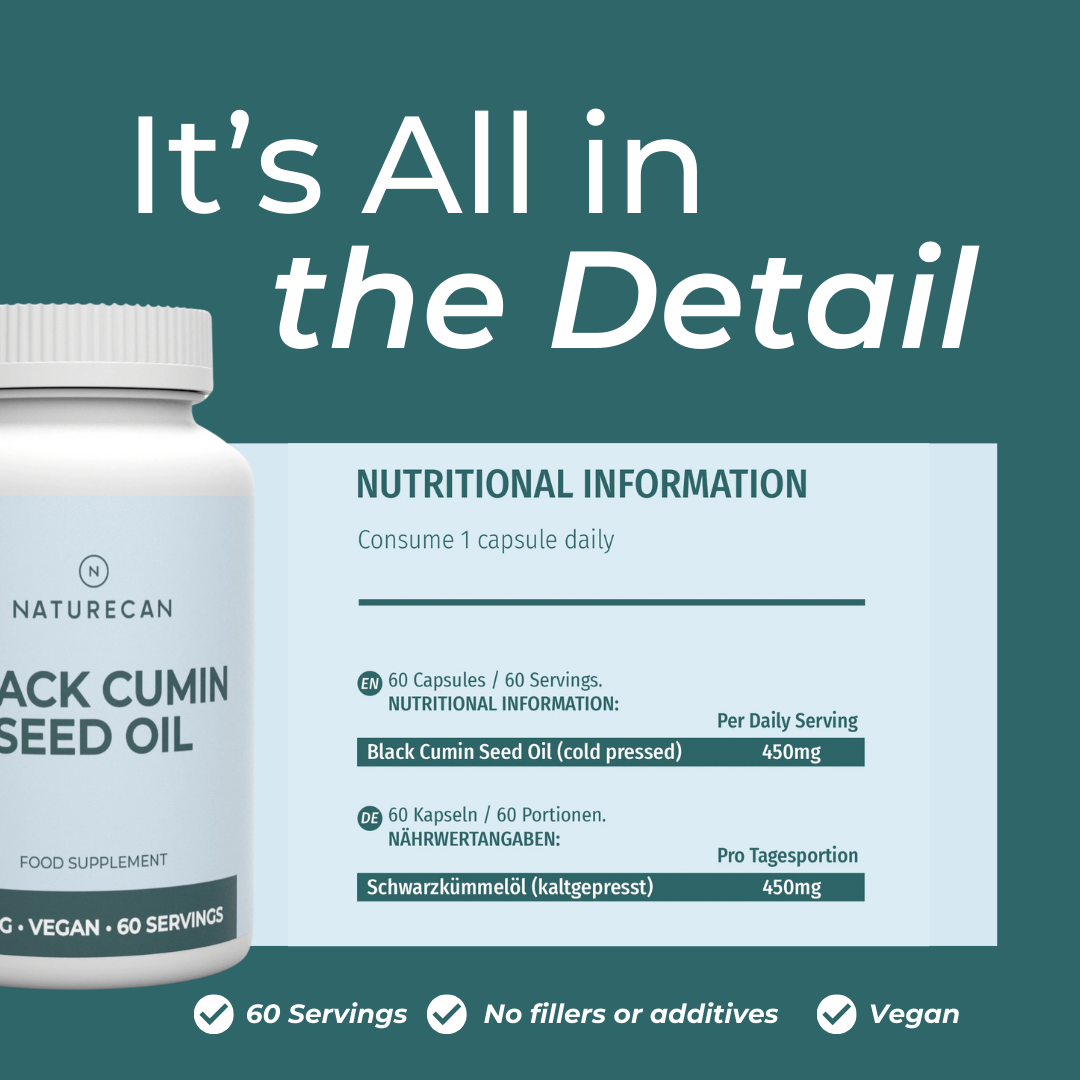
Capsules offer simplicity and consistency. Naturecan recommends one capsule daily with a glass of water, ideally alongside food to minimise digestive discomfort.
Supplements To Balance The Body Alongside Black Seed Oil
Black seed oil may work synergistically as part of a balanced supplement routine. Other supplements that pair well include:
- Vitamin D3 & K2 – supports immune, bone and cardiovascular health
- Omega-3 – supports heart, brain and joint health
- Ginger Supplements – traditionally used for digestion
- Sea Moss Gummies – provide minerals that support overall vitality
Naturecan offers these supplements in rigorously tested formats, making it easier to build a science-led longevity stack.

Conclusion
Black seed oil is a well-researched, natural supplement with a long history of traditional use and growing scientific support.
From immune to digestive health, its potential benefits may be broad when used consistently and responsibly.
While it’s not a cure or substitute for medical treatment, it can be a valuable addition to a modern wellness routine. It’s never too late to start looking after your health, and small, informed choices can support long-term vitality.
If you’re exploring supplementation, Naturecan’s black cumin seed oil capsules and wider range of science-backed products offer a convenient way to support your daily health goals.
FAQs
Are there any Black seed oil benefits for women?
Anecdotally used for immune health, skin balance and general wellbeing, depending on individual needs.
Are there any Black seed oil benefits for men?
Often explored for cardiovascular and metabolic support.
Is black seed oil good for hair?
It may potentially support scalp health when applied topically or taken internally.
When to take black seed oil, morning or night?
Either is suitable, though taking it with food may reduce stomach discomfort.
Does black seed oil kill parasites?
Some laboratory studies suggest antimicrobial activity, but this does not apply to food supplements.
Does black seed oil expire?
Yes. Always follow storage instructions and check the expiry date.
Does black seed oil help with weight loss?
It may support metabolic health, but it is not a standalone weight-loss solution.

Paul Holmes
Director of Science and Innovation at Naturecan
Testing for large pharmaceutical & tobacco companies, Paul has built a wealth of scientific and regulatory knowledge, working on regulatory submissions to bodies such as the FDA and the MHRA.
He holds a BSc in Medicinal and Biological Chemistry and sits on the UKAS CBD Food Product Approval Expert Group.
Discover our Naturecan Blog
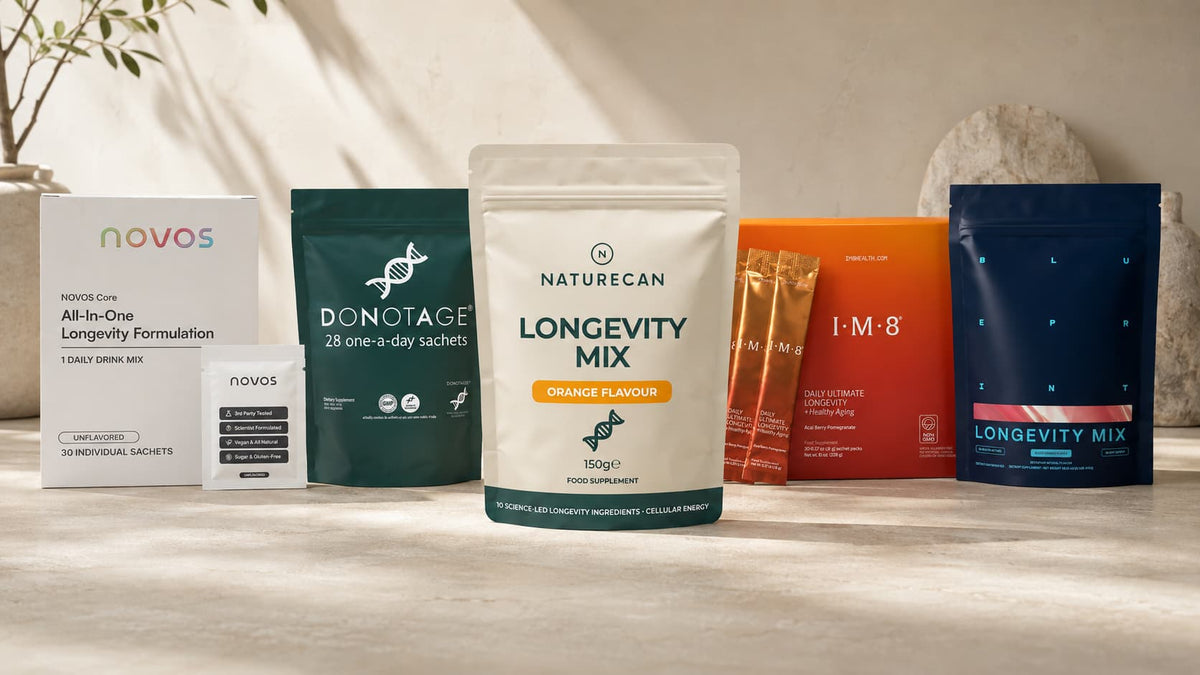
Longevity Mix Compared: What's Actually in IM8, NOVOS, DoNotAge, Blueprint & Naturecan
See exactly what's inside popular longevity mixes like Naturecan, IM8, NOVOS, DoNotAge & Blueprint, how their ingredients compare, and if they're worth it.
Psyllium Husk: What It Is, Benefits, How to Use & Is It Safe?
Discover what psyllium husk is, its benefits for gut health and digestion, how to take it safely, and who should avoid it.
Ubiquinol vs CoQ10: What's the Difference and Which Should You Take?
Confused about ubiquinol vs CoQ10? Discover the real differences, absorption evidence and benefits, then find the right form for your age with Naturecan.


